Lesson 39
God’s View of Blood
Blood is vital. Without it, none of us could live. As the Creator, God has the right to say how blood may be used. What has he said about blood? Can it be eaten or transfused? And how can you make good decisions on this matter?
1. What is Jehovah’s view of blood?
Jehovah told his worshippers in Bible times: “The life of every sort of flesh is its blood.”
To Jehovah, blood represents life. Since life is a sacred, or holy, gift from God, blood is also sacred.
2. What use of blood does God forbid?
Jehovah commanded his pre-Christian worshippers not to eat blood.
Read Genesis 9.4: Only flesh with its life—its blood—you must not eat.
Read Leviticus 17.10: “‘If any man of the house of Israel or any foreigner who is residing in your midst eats any sort of blood, I will certainly set my face against the one who is eating the blood, and I will cut him off from among his people.
He confirmed this command when the governing body instructed Christians to “keep abstaining... from blood.”
Read Acts 15.28, 29: For the holy spirit and we ourselves have favored adding no further burden to you except these necessary things: to keep abstaining from things sacrificed to idols, from blood, from what is strangled, and from sexual immorality. If you carefully keep yourselves from these things, you will prosper. Good health to you!”
What does it mean to abstain from blood? If a doctor told you to abstain from alcohol, you would not drink it. But would you eat foods that contained it or have alcohol injected into your veins? Obviously not. Likewise, God’s command to abstain from blood means that we should not drink blood or eat meat that has not been bled. Nor should we eat any food to which blood has been added.
What about the medical use of blood? Some procedures clearly violate God’s law. These include the transfusion of whole blood or any of its main components—red cells, white cells, platelets, and plasma. Other medical procedures may not be a clear-cut violation of God’s law. For example, some procedures involve the use of fractions of one of the main components of blood. Other procedures involve the use of a person’s own blood. When weighing these options, each of us must make a personal decision.
DIG DEEPER
Examine how to make medical decisions regarding the use of blood.
3. Make medical decisions that please Jehovah
How can you make medical decisions that harmonize with God’s view? Play the VIDEO, and then discuss the importance of taking the steps that follow.
AD))) Video Title: How to Make Health-Care Decisions Regarding Blood (with Audio Description and Transcript) (Duration: 5:47).
Pray for wisdom.
Research Bible principles and how they apply.
Find out what options are available where you live.
Identify which options are clearly unacceptable to you.
Make sure your decision will leave you with a clean conscience.
Recognize that no one—not even your spouse, an elder, or your Bible teacher—should tell you what decision to make in matters of conscience.
Put your decision in writing.

4. Jehovah’s Witnesses seek quality medical care
It is possible to adhere to God’s law about blood and receive quality nonblood medical care. Play the VIDEO.
AD))) Video Title: Interview of Professor Massimo P. Franchi, M.D. (with Audio Description and Transcript) (Duration: 1:36).
Read Titus 3.2: to speak injuriously of no one, not to be quarrelsome, but to be reasonable, displaying all mildness toward all men.
Discuss this question:
Why should we show a cooperative and mild spirit when dealing with medical professionals?
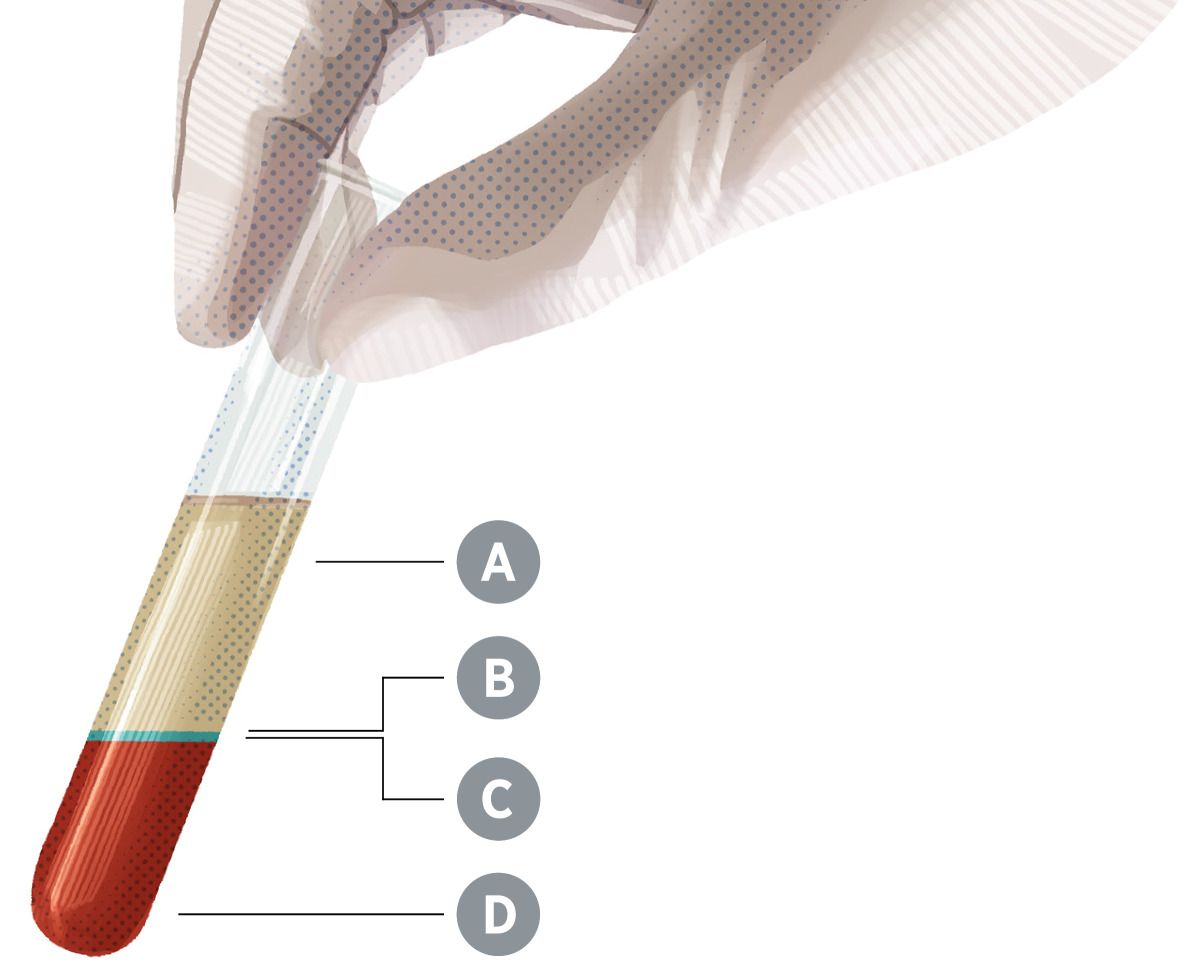
Unacceptable
A. Blood plasma
B. White cells
C. Platelets
D. Red cells
Christian to decide
Fractions from plasma
Fractions from white cells
Fractions from platelets
Fractions from red cells
5. When blood fractions are involved
Blood has four main components—red cells, white cells, platelets, and plasma. These components contain many smaller parts, called blood fractions.
Some fractions are used in medicines that help to fight diseases or help to stop bleeding.
When it comes to blood fractions, each Christian must make his own decision based on his Bible-trained conscience. Some may decide to refuse a medical treatment or procedure that involves blood fractions. Others may feel that their conscience allows them to accept fractions.
When making your decisions, consider this question:
How would I explain to a doctor why I reject or accept the use of certain blood fractions?
SOMEONE MAY ASK: “What’s wrong with accepting blood transfusions?”
What do you think?
SUMMARY
Jehovah wants us to avoid misusing blood.
Review
Why does Jehovah view blood as sacred?
How do we know that God’s command to abstain from blood applies to blood transfusions?
How can you make good decisions about the medical use of blood?
Lesson completed on:
Goal
Use the articles in the Explore section to help you make your decisions regarding (1) blood transfusions, (2) medicines containing blood fractions, and (3) the use of your own blood in the course of a medical procedure. Then write your decisions down.
Other: Memorizing Bible scriptures is vital for blind individuals to defend the truth using the Bible, build faith, provide comfort during difficult times, and keep God’s principles firm in heart and mind.
From lesson 39, memorize Leviticus 17:14: For the life of every sort of flesh is its blood, because the life is in it. Consequently, I said to the Israelites: “You must not eat the blood of any sort of flesh because the life of every sort of flesh is its blood. Anyone eating it will be cut off.”
EXPLORE
1. What factors should influence your decisions regarding medical procedures involving your own blood?
“Questions From Readers” (The Watchtower, October 15, 2000) Open explore 1 in new page
2. What should you consider when deciding whether to accept minor fractions of blood?
“Questions From Readers” (The Watchtower, June 15, 2004) Open explore 2 in new page
3. What led a physician to believe that Jehovah’s view of blood is reasonable?
“I Accepted God’s View of Blood” (Awake!, December 8, 2003) Open explore 3 in new page
4. Learn how elders who serve on Hospital Liaison Committees support their brothers and sisters.
Jehovah Supports the Sick (10:23) Open explore 4 in new page
[End of lesson 39.]