Lesson 59 Explore 3: Prepare Now for Persecution | Watchtower Study
STUDY ARTICLE 27
Prepare Now for Persecution
“All those desiring to live with godly devotion in association with Christ Jesus will also be persecuted.”-
(2 Timothy 3.12: In fact, all those desiring to live with godly devotion in association with Christ Jesus will also be persecuted.)
PREVIEW
1. Why do we need to prepare for persecution?
ON THE night before our Lord Jesus was put to death, he said that all who choose to be his disciples will be hated.
(John 17.14: I have given your word to them, but the world has hated them, because they are no part of the world, just as I am no part of the world.)
Up until now, faithful Christian Witnesses of Jehovah have been persecuted by those who oppose true worship.
(2 Timothy 3.12: In fact, all those desiring to live with godly devotion in association with Christ Jesus will also be persecuted.)
As the end of this system of things draws closer, we expect our enemies to oppose us even more.-
(Matthew 24.9: “Then people will hand you over to tribulation and will kill you, and you will be hated by all the nations on account of my name.)
2-3. (a) What should we recognize about fear? (b) What will we consider in this article?
2. How can we prepare ourselves now to face persecution? We do not need to imagine all the things that could happen to us. If we did, we could be overwhelmed with fear and anxiety. We could allow imagined threats to defeat us even before any real test comes.
(Proverbs 12.25: Anxiety in a man’s heart weighs it down, But a good word cheers it up.)
(Proverbs 17.22: A joyful heart is good medicine, But a crushed spirit saps one’s strength.)
Fear is a powerful weapon that our “adversary, the Devil,” tries to use against us.
(1 Peter 5.8, 9: Keep your senses, be watchful! Your adversary, the Devil, walks about like a roaring lion, seeking to devour someone. But take your stand against him, firm in the faith, knowing that the same kind of sufferings are being experienced by the entire association of your brothers in the world.)
What can we do now to strengthen ourselves?
3. In this article, we will consider how we can strengthen our bond with Jehovah and why it is vital that we do that now. We will also discuss what we can do to build up our courage. And finally, we will examine how we can cope with hatred from opposers.
HOW TO STRENGTHEN YOUR BOND WITH JEHOVAH
4. According to Hebrews 13:5, 6, of what must we be convinced, and why?
4. Be convinced that Jehovah loves you and that he will never abandon you.
Read Hebrews 13.5, 6: Let your way of life be free of the love of money, while you are content with the present things. For he has said: “I will never leave you, and I will never abandon you.” So that we may be of good courage and say: “Jehovah is my helper; I will not be afraid. What can man do to me?”
Many years ago, The Watchtower observed: “The person who knows God best will trust him the most in time of test.” How true! To face persecution successfully, we must love Jehovah and trust in him completely, never doubting that he has affection for us.-
(Matthew 22.36-38: “Teacher, which is the greatest commandment in the Law?” He said to him: “‘You must love Jehovah your God with your whole heart and with your whole soul and with your whole mind.’ This is the greatest and first commandment.)
(James 5.11: Look! We consider happy those who have endured. You have heard of the endurance of Job and have seen the outcome Jehovah gave, that Jehovah is very tender in affection and merciful.)
5. What will help you to feel Jehovah’s love?
5. Read the Bible daily with the goal of drawing closer to Jehovah.
(James 4.8: Draw close to God, and he will draw close to you. Cleanse your hands, you sinners, and purify your hearts, you indecisive ones.)
As you read, focus on Jehovah’s tender qualities. Feel his love and affection expressed in the things he says and does.
(Exodus 34.6: Jehovah was passing before him and declaring: “Jehovah, Jehovah, a God merciful and compassionate, slow to anger and abundant in loyal love and truth,)
Some may struggle to believe that God loves them because they have never been shown love. If you face that challenge, try making a list each day of ways that Jehovah has shown mercy and kindness to you.
(Psalm 78.38, 39: But he was merciful; He would forgive their error and not bring them to ruin. He often held back his anger Instead of stirring up all his wrath. For he remembered that they were flesh, A wind that blows past and does not return.)
(Romans 8.32: Since he did not even spare his own Son but handed him over for us all, will he not also, along with him, kindly give us all other things?)
As you consider your own experiences and meditate on what you have read in God’s Word, you will likely be able to list many things that Jehovah has done for you. The more you appreciate what Jehovah does, the stronger your bond with him will be.-
(Psalm 116.1, 2: I love Jehovah Because he hears my voice, my pleas for help. For he inclines his ear to me, And I will call on him as long as I live.)
6. According to Psalm 94:17-19, how can heartfelt prayer help you?
6. Pray regularly. Imagine a young boy in his father’s loving embrace. The boy feels so secure that he openly talks to his father about both the good and the bad things that happened to him that day. You can enjoy that same type of bond if you draw close to Jehovah in heartfelt prayer each day.
Read Psalm 94.17-19: If Jehovah had not been my helper, I would soon have perished. When I said: “My foot is slipping,” Your loyal love, O Jehovah, kept supporting me. When anxieties overwhelmed me, You comforted and soothed me.
As you pray to Jehovah, “pour out your heart like water” and tell your loving Father about all your fears and anxieties.
(Lamentations 2.19: Rise up! Cry out during the night, at the start of the watches. Pour out your heart like water before the face of Jehovah. Raise your hands to him for the lives of your children, Who are fainting away at every street corner because of famine.)
What will be the result? You will experience what the Bible calls “the peace of God that surpasses all understanding.”
(Philippians 4.6, 7: Do not be anxious over anything, but in everything by prayer and supplication along with thanksgiving, let your petitions be made known to God; and the peace of God that surpasses all understanding will guard your hearts and your mental powers by means of Christ Jesus.)
The more you pray this way, the closer you will feel to Jehovah.-
(Romans 8.38, 39: For I am convinced that neither death nor life nor angels nor governments nor things now here nor things to come nor powers nor height nor depth nor any other creation will be able to separate us from God’s love that is in Christ Jesus our Lord.)
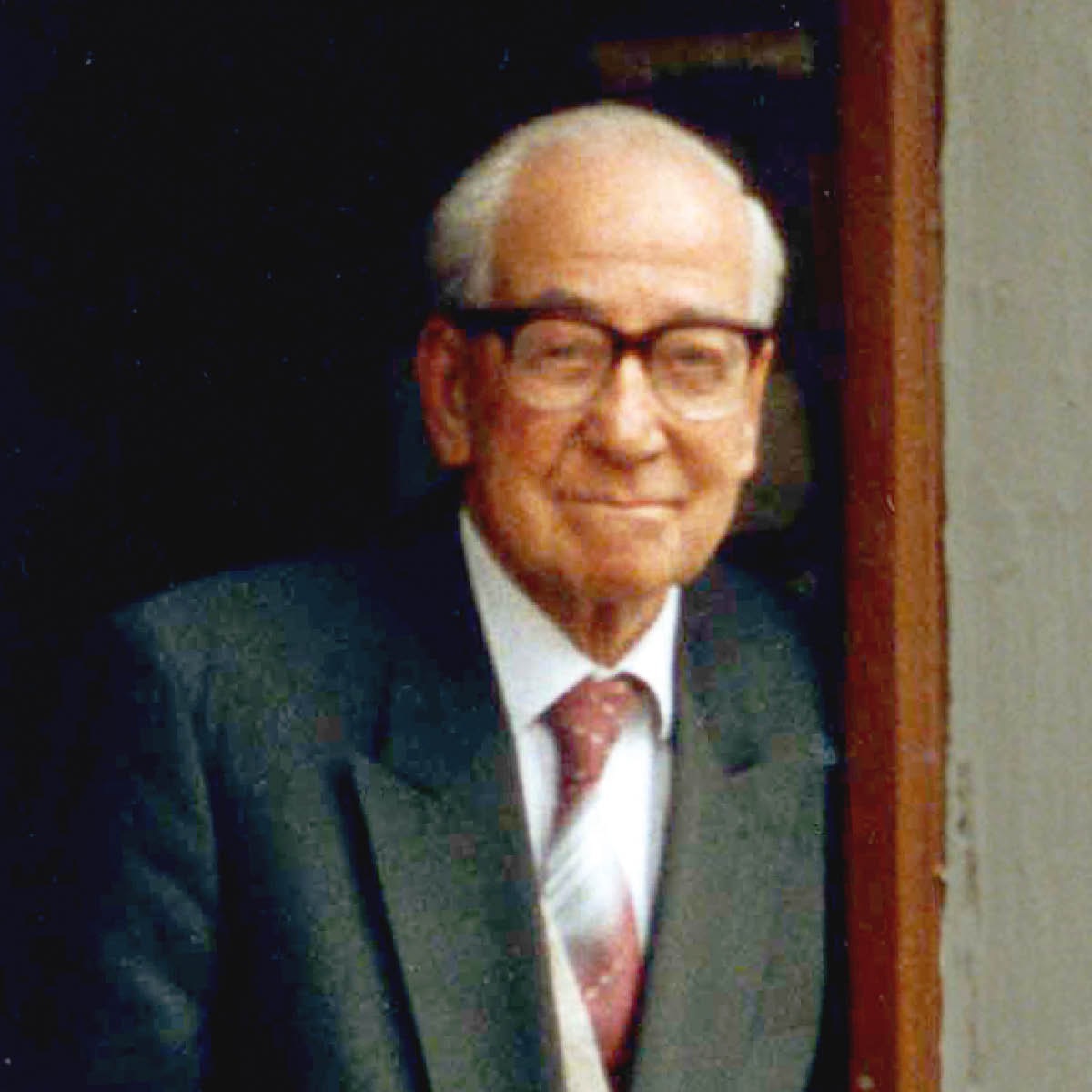
CAPTION: Courage comes from having confidence in Jehovah and his Kingdom Stanley Jones fortified himself with a sure knowledge of God’s Kingdom (See paragraph 7)
7. Why must you be convinced that the promises God makes about his Kingdom will come true?
7. Be convinced that the blessings of God’s Kingdom will come true.
(Numbers 23.19: God is not a mere man who tells lies, Nor a son of man who changes his mind. When he says something, will he not do it? When he speaks, will he not carry it out?)
If your faith in such promises is weak, it will be easier for Satan and his agents to terrify you.
(Proverbs 24.10: If you become discouraged in the day of distress, Your strength will be meager.)
(Hebrews 2.15: and that he might set free all those who were held in slavery all their lives by their fear of death.)
How can you build confidence in God’s Kingdom now? Make it a study project to examine God’s promises about his Kingdom and the reasons why you can be certain that they will come true. How will that help? Consider the example of Stanley Jones, who was imprisoned for seven years because of his faith. What helped him to endure faithfully? He said: “Being fortified with a knowledge of God’s kingdom, being sure of it, never doubting it for a moment, I couldn’t be moved.” If you have strong faith in God’s promises, you will draw closer to Jehovah and you will not give in to fear.-
(Proverbs 3.25, 26: You will not fear any sudden terror Nor the storm that is coming on the wicked. For Jehovah will prove to be your source of confidence; He will keep your foot from being caught.)
8. Our attitude toward meetings is a good indicator of what? Explain.
8. Regularly attend Christian meetings. Meetings help us to draw closer to Jehovah. Our attitude toward attending meetings is a good indicator of how successful we will be at dealing with persecution in the future.
(Hebrews 10.24, 25: And let us consider one another so as to incite to love and fine works, not forsaking our meeting together, as some have the custom, but encouraging one another, and all the more so as you see the day drawing near.)
Why so? If we allow small obstacles to keep us from attending meetings now, what will happen in the future if we have to risk our safety to meet with fellow believers? On the other hand, if we develop a firm resolve to attend meetings, we will not give in when opposers try to stop us from gathering together. Now is the time to develop a love for our meetings. When we love to attend meetings, no opposition, not even a government ban, will stop us from obeying God rather than men.-
(Acts 5.29: In answer Peter and the other apostles said: “We must obey God as ruler rather than men.)

CAPTION: Memorizing scriptures and Kingdom songs now can serve you well during persecution (See paragraph 9)
9. Why is memorizing scriptures a good way to prepare for persecution?
9. Memorize your favorite scriptures.
(Matthew 13.52: Then he said to them: “That being the case, every public instructor who is taught about the Kingdom of the heavens is like a man, the master of the house, who brings out of his treasure store things both new and old.”)
Your memory may not be perfect, but Jehovah can use his powerful holy spirit to bring those scriptures back to your mind.
(John 14.26: But the helper, the holy spirit, which the Father will send in my name, that one will teach you all things and bring back to your minds all the things I told you.)
Note what one brother who was imprisoned in East Germany and put in solitary confinement said: “What a blessing it was that by then I had learned several hundred scriptures by heart! I could fill those empty days by meditating on a variety of Bible subjects.” Those scriptures helped our brother to stay close to Jehovah-and to endure faithfully.

CAPTION: (See paragraph 10)
10. Why should we memorize songs?
10. Memorize and sing songs that praise Jehovah. When imprisoned in Philippi, Paul and Silas sang spiritual songs that they knew from memory.
(Acts 16.25: But about the middle of the night, Paul and Silas were praying and praising God with song, and the prisoners were listening to them.)
Similarly, when our brothers in the former Soviet Union were exiled to Siberia, how did they strengthen themselves? Sister Mariya Fedun recalled: “We sang all the songs that we knew, the songs from the songbook.” She said that those songs encouraged all of them and helped them to feel closer to Jehovah. Do you feel strengthened when you sing your favorite spiritual songs? Then memorize those songs now!-See the box “ Give Me Courage.”
“Give Me Courage”
The 2018 regional convention program concluded with a powerful new song entitled “Give Me Courage.” After the convention, an eight-year-old girl named Lumia wrote: “I would like to thank you for the new song. It touched my heart! During the song, I decided that when I go to the second grade, I will tell my classmates that I am one of Jehovah’s Witnesses. I am sure that Jehovah is with me.”
HOW TO BUILD UP YOUR COURAGE
11-12. (a) According to 1 Samuel 17:37, 45-47, why was David courageous? (b) What important lesson do we learn from David’s example?
11. To face persecution, you need courage. If you feel that you lack that quality, what can you do? Remember that true courage does not depend on your size, strength, or ability. Consider the example of young David when he faced Goliath. Compared with that giant, David was smaller, weaker, and poorly armed. David did not even have a sword. Yet, he was full of courage. David boldly ran to fight that arrogant giant.
12. Why was David so courageous? He firmly believed that Jehovah was with him.
Read 1 Samuel 17.37: Then David added: “Jehovah, who rescued me from the claws of the lion and the bear, he is the one who will rescue me from the hand of this Philistine.” At this Saul said to David: “Go, and may Jehovah be with you.”
Read 1 Samuel 17.45: David replied to the Philistine: “You are coming against me with sword and spear and javelin, but I am coming against you in the name of Jehovah of armies, the God of the battle line of Israel, whom you have taunted.
-47.) David did not concentrate on how big Goliath was compared with him. Instead, he focused on how tiny Goliath was compared to Jehovah. What do we learn from this account? We will feel courageous if we are confident that Jehovah is with us and if we are certain that our opposers are tiny in comparison to Almighty God.
(2 Chronicles 20.15: He said: “Pay attention, all Judah and you inhabitants of Jerusalem and King Jehoshaphat! Here is what Jehovah says to you, ‘Do not be afraid or be terrified because of this large crowd, for the battle is not yours but God’s.)
(Psalm 16.8: I keep Jehovah before me constantly. Because he is at my right hand, I will never be shaken.)
How can we build up our courage now-before persecution comes?
13. How can we build up courage? Explain.
13. We can build up our courage now by publicly preaching the good news of God’s Kingdom. Why so? Because preaching teaches us to trust in Jehovah and overcome any fear of man.
(Proverbs 29.25: Trembling at men is a snare, But the one trusting in Jehovah will be protected.)
Just as our muscles are strengthened when we exercise, our courage is strengthened when we preach from house to house, in public places, informally, and in business territory. If we develop the courage to preach now, we will be well-prepared to keep preaching even if our work is banned.-
(1 Thessalonians 2.1, 2: You yourselves surely know, brothers, that our visit to you has not been without results. For although we had first suffered and been insolently treated in Philippi, as you know, we mustered up boldness by means of our God to tell you the good news of God in the face of much opposition.)

CAPTION: Nancy Yuen refused to stop preaching the good news (See paragraph 14)
14-15. What lessons can we learn from Nancy Yuen and Valentina Garnovskaya?
14. We can learn much from the example of two faithful sisters who displayed remarkable courage. Nancy Yuen stood no more than five feet (1.5 m) tall, but she was not easily intimidated. She refused to stop preaching the good news of God’s Kingdom. As a result, she was imprisoned for some 20 years in Communist China. The officials who interrogated her said that she was “the most stubborn person” in their country!

CAPTION: Valentina Garnovskaya was convinced that Jehovah was with her (See paragraph 15)
15. Similarly, Valentina Garnovskaya was imprisoned in the former Soviet Union on three separate occasions and for a total of some 21 years. Why? She was so determined to keep preaching that officials labeled her “an especially dangerous offender.” What made these two faithful women so courageous? They were convinced that Jehovah was with them.
16. What is the key to true courage?
16. As we have discussed, to build courage, we must not focus on our own strengths and abilities. Instead, we must believe that Jehovah is with us and that he is the one fighting for us.
(Deuteronomy 1.29, 30: “So I said to you, ‘Do not be struck with terror or be afraid because of them. Jehovah your God will go before you and will fight for you, just as he did in Egypt before your very eyes.)
(Zechariah 4.6: He then said to me: “This is the word of Jehovah to Zerubbabel: ‘“Not by a military force, nor by power, but by my spirit,” says Jehovah of armies.)
That is the key to true courage.
HOW TO COPE WITH HATRED FROM MEN
17-18. As recorded at John 15:18-21, what warning did Jesus give us? Explain.
17. We enjoy gaining the respect of others, but we must not make the mistake of measuring our worth by how popular we are. Jesus said: “Happy are you whenever men hate you, and when they exclude you and reproach you and denounce your name as wicked for the sake of the Son of man.”
(Luke 6.22: “Happy are you whenever men hate you, and when they exclude you and reproach you and denounce your name as wicked for the sake of the Son of man.)
What did Jesus mean?
18. Jesus was not saying that Christians would enjoy being hated. Instead, he was being realistic. We are no part of the world. We live according to Jesus’ teachings and preach the message that he preached. As a result, the world hates us.
Read John 15.18-21: If the world hates you, you know that it has hated me before it hated you. If you were part of the world, the world would be fond of what is its own. Now because you are no part of the world, but I have chosen you out of the world, for this reason the world hates you. Keep in mind the word I said to you: A slave is not greater than his master. If they have persecuted me, they will also persecute you; if they have observed my word, they will also observe yours. But they will do all these things against you on account of my name, because they do not know the One who sent me.
We want to please Jehovah. If men hate us because we love our Father, that is their problem.
19. How can we imitate the example of the apostles?
19. Never allow anything that mere humans say or do to make you feel ashamed of being one of Jehovah’s Witnesses.
(Micah 4.5: For all the peoples will walk, each in the name of its god, But we will walk in the name of Jehovah our God forever and ever.)
We can learn to cope with fear of man by considering the example set by the apostles in Jerusalem just after Jesus was put to death. They knew how much the Jewish religious leaders hated them.
(Acts 5.17, 18: But the high priest rose, and all those with him, who were of the sect of the Sadducees, and they were filled with jealousy. And they seized the apostles and put them in the public jail.)
(Acts 5.27, 28: So they brought them and stood them before the Sanhedrin. Then the high priest questioned them and said: “We strictly ordered you not to keep teaching on the basis of this name, and yet look! you have filled Jerusalem with your teaching, and you are determined to bring the blood of this man upon us.”)
Yet, every day they continued to go to the temple and publicly identify themselves as disciples of Jesus.
(Acts 5.42: And every day in the temple and from house to house they continued without letup teaching and declaring the good news about the Christ, Jesus.)
They refused to cower in fear. We too can defeat our own fear of man by regularly and publicly identifying ourselves as Jehovah’s Witnesses-at work, at school, and in our neighborhood.-
(Acts 4.29: And now, Jehovah, give attention to their threats, and grant to your slaves to keep speaking your word with all boldness,)
(Romans 1.16: For I am not ashamed of the good news; it is, in fact, God’s power for salvation to everyone having faith, to the Jew first and also to the Greek.)
20. Why were the apostles happy even though they were hated?
20. Why were the apostles happy? They knew why they were hated, and they considered it an honor to be mistreated for doing Jehovah’s will.
(Luke 6.23: Rejoice in that day and leap for joy, for look! your reward is great in heaven, for those are the same things their forefathers used to do to the prophets.)
(Acts 5.41: So they went out from before the Sanhedrin, rejoicing because they had been counted worthy to be dishonored in behalf of his name.)
The apostle Peter later wrote: “Even if you should suffer for the sake of righteousness, you are happy.”
(1 Peter 2.19-21: For it is agreeable when someone endures hardship and suffers unjustly because of conscience toward God. For what merit is there if you are beaten for sinning and you endure it? But if you endure suffering because of doing good, this is an agreeable thing to God. In fact, to this course you were called, because even Christ suffered for you, leaving a model for you to follow his steps closely.)
(1 Peter 3.14: But even if you should suffer for the sake of righteousness, you are happy. However, do not fear what they fear, nor be disturbed.)
When we understand that we are hated for doing what is right, we will never allow the hatred of men to paralyze us with fear.
YOU WILL BENEFIT FROM PREPARING
21-22. (a) What have you decided to do to prepare for persecution? (b) What will we consider in the next article?
21. We do not know when a wave of persecution or even an outright ban will affect our worship of Jehovah. However, we do know that we can prepare now by strengthening our relationship with Jehovah, by building up our courage, and by learning to cope with hatred from men. The preparations that we make now will help us stand firm in the future.
22. But what if a ban on our worship does come? In the following article, we will discuss principles that will help us continue serving Jehovah even when under ban.
WHAT DO THESE VERSES TEACH YOU ABOUT PREPARING FOR PERSECUTION?
•
(Psalm 116.1, 2: I love Jehovah Because he hears my voice, my pleas for help. For he inclines his ear to me, And I will call on him as long as I live.)
•
(2 Chronicles 20.15: He said: “Pay attention, all Judah and you inhabitants of Jerusalem and King Jehoshaphat! Here is what Jehovah says to you, ‘Do not be afraid or be terrified because of this large crowd, for the battle is not yours but God’s.)
•
(1 Peter 3.14: But even if you should suffer for the sake of righteousness, you are happy. However, do not fear what they fear, nor be disturbed.)
[End of article.]